Total safety in medical devices (catheters)
The CEIA 210 Series overcomes the catheter inspection paradox using advanced multi-point autolearn algorithms. The system maps functional markers and isolates signals from microscopic contaminants, eliminating false rejects and ensuring maximum safety in medical applications.
The quality control paradox |
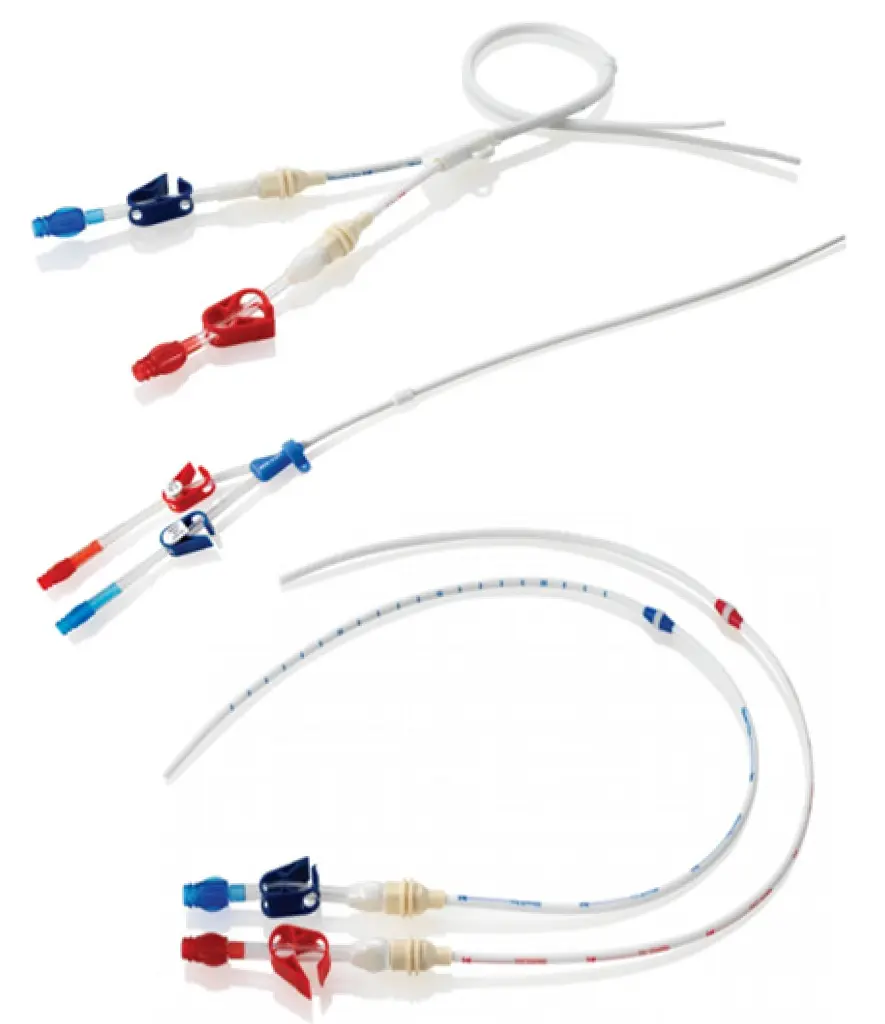
| In the Medical Device industry, safety is absolute. During the production of complex catheters, microscopic metallic fragments (residues from needles or manufacturing processes) can accidentally remain inside the device. In this case, the target was known, but its position within the catheter was not, as it could be located anywhere along the length of the catheter and could even spatially overlap with the metallic ring. THE CHALLENGE: How do you detect an unwanted contaminant if the catheter itself already contains metallic components (reference rings) necessary for its localisation? |
The technical problem: the product effect
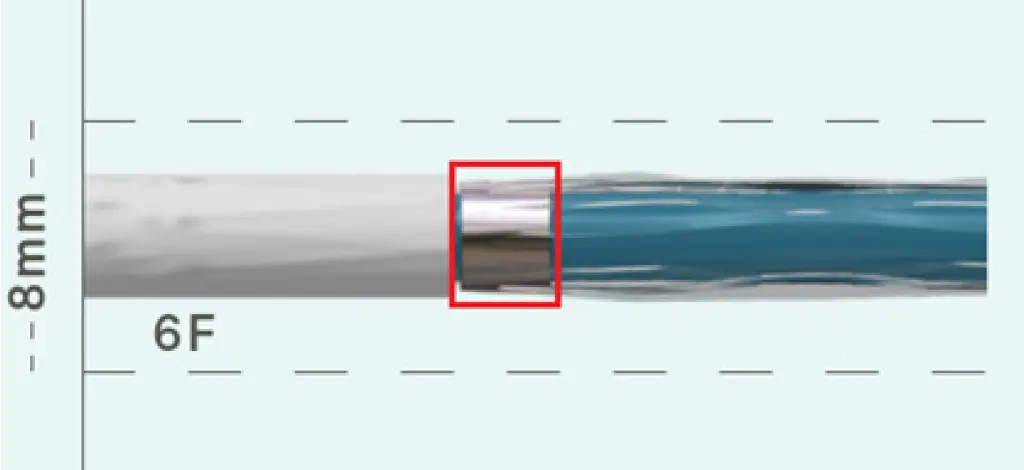
The client needed to inspect complete catheters containing two metallic rings (markers).The use of radiopaque markers is essential for safety and precision in minimally invasive medical procedures. Catheters are frequently inserted into blood vessels, the heart, or the urinary system. During insertion, the doctor monitors the device in real time via fluoroscopy.
In a traditional metal detector, these rings generate a massive signal that saturates the detection capability, making any other small metallic fragment (contaminant) invisible.
OBJECTIVE: Differentiate between the signal of the "Metal Rings" (functional) and the accidental contaminant.
The solution: multi-point Autolearn and multi-spectrum technology |
| The new 210 Series, equipped with an advanced Multi-point Autolearn algorithm, has been used to test the catheter samples. |
The resolution process: |
|
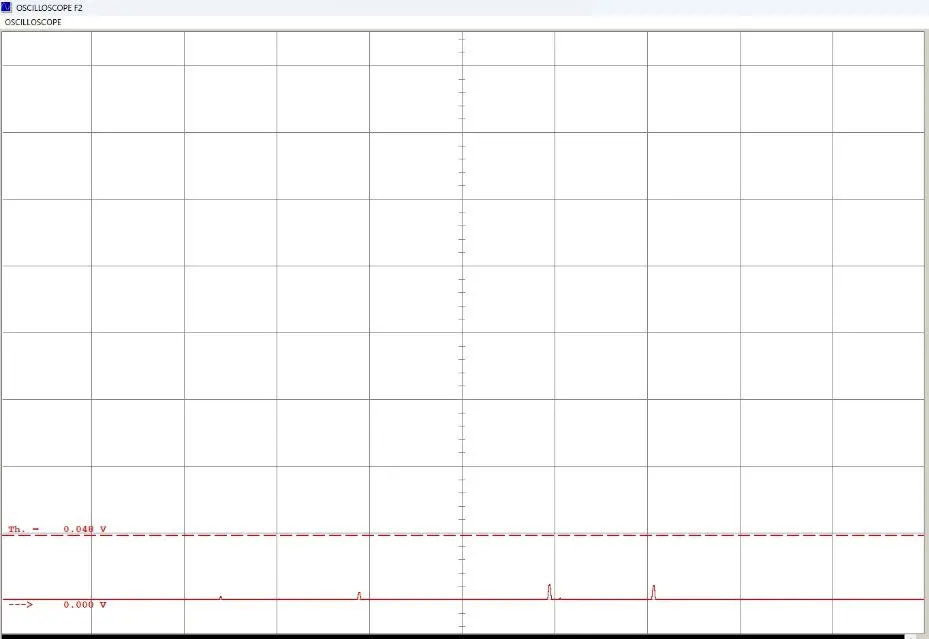
Signal generated by the complete catheters after the product Autolearn procedure
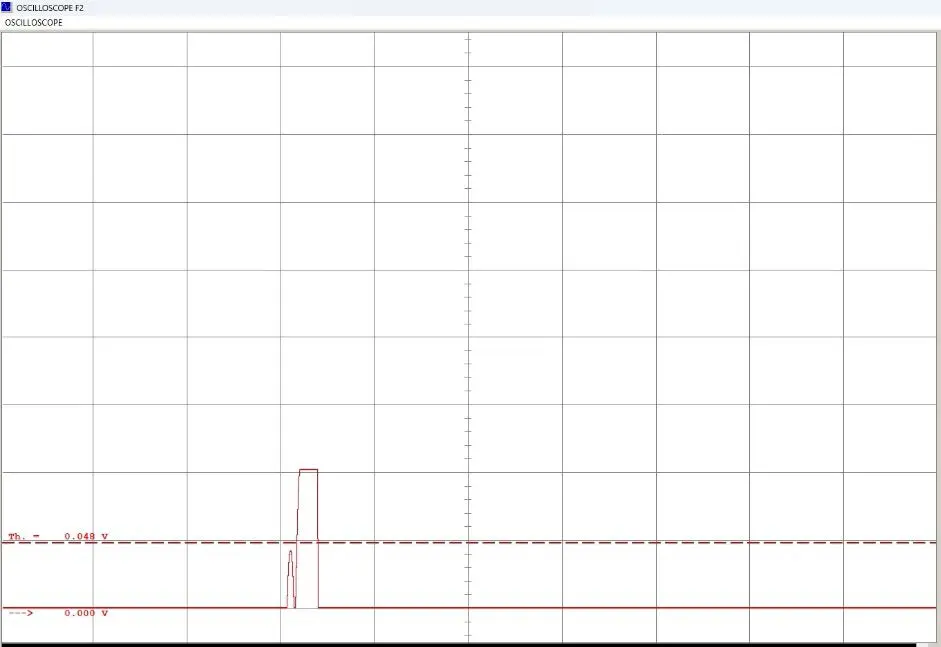
Signal generated by the target
Results: zero compromises on safety |
Tests confirmed that the signal generated by the unwanted metallic fragment is clearly dis-tinguishable from the residual signal of the internal markers, even after the product com-pensation procedure.
|